Din kurv er lige nu tom!
Materials and care
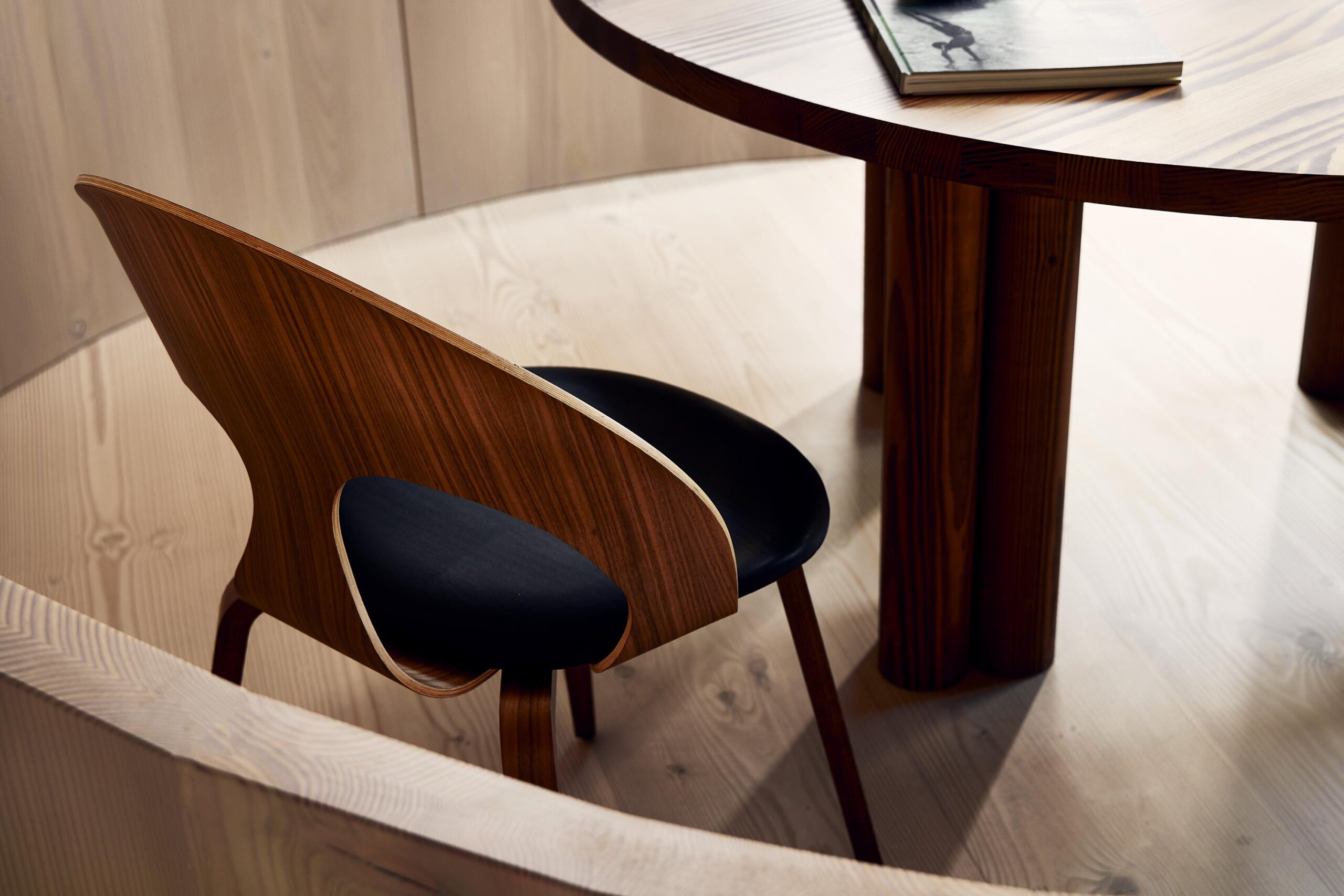
Care and maintenance guide for your VERMUND furniture
At VERMUND, we strive to design and produce furniture that brings joy to everyday life and stands the test of time. Regular care and maintenance are recommended to preserve the beauty and functionality of your furniture.
If you have any questions, our customer service team is always ready to assist you.
10 Tips for Optimal Furniture Care and Maintenance
1. Never place furniture in direct sunlight or near heat sources, as it may dry out or fade wood, leather, and fabrics.
2. If furniture is fully or partially covered, variations in colour and texture may occur.
3. Use only indoors – VERMUND furniture is unsuitable for outdoor environments.
4. If cleaned with a damp cloth, always wipe dry afterwards to avoid moisture damage.
5. Wipe up spills immediately to prevent stains and damage.
6. Use coasters or felt pads to protect surfaces from heat, moisture, and scratches.
7. Clothing with rivets, buttons, or belt buckles can scratch lacquered or upholstered surfaces.
8. Vacuum using a soft-bristle nozzle and medium suction to protect the material.
9. Always use mild, neutral cleaning agents. Avoid abrasives, polishes, ammonia, or bleach.
10. Due to its acidity, sweat may discolour wood, leather, or fabric.
Note: This guide is for reference only. Improper maintenance is the responsibility of the customer.
Wood
Wood is a natural material, and its grain, knots, and colour variations contribute to each piece’s unique character. These natural features enhance the beauty of the furniture over time.
Avoid direct sunlight and proximity to heat sources, which may dry out or bleach the wood.
Oiled Surfaces
Cleaning:
Wipe with a damp, lint-free cloth, then dry with a soft cloth. For dirt or stains, use a ph-neutral detergent. Always wipe dry.
Maintenance:
To maintain the wood’s glow and resistance to dirt, apply furniture oil regularly – 2–3 times a year as needed.
- Use natural oil for walnut, natural oak, and smoked oak.
- Use white-pigmented oil for white-oiled oak.
Apply with a lint-free cloth along the grain, leave for 3–5 minutes, then wipe off. Let it dry for 24 hours before use. Full curing takes about 7 days.
Caution: Oily cloths may self-ignite, so follow safety instructions on the product.
For minor scratches:
Sand lightly along the grain with fine-grit sandpaper (grit 240), clean, then reapply oil to the entire surface for a consistent finish.
Lacquered / Painted Surfaces
Cleaning:
Wipe the wood surface with a damp, lint-free cloth, then dry thoroughly with a clean cloth. For dirt or stains, a pH-neutral cleaning or dishwashing detergent can be used. Always remember to dry the surface completely afterward, as described above.
Never use abrasive cleaners on a lacquered surface, as this may cause damage. A damaged lacquered surface cannot be repaired without professional help.
Do not apply care oil to lacquered or painted surfaces.
Upholstered Surfaces
All upholstery types from VERMUND are characterised by high durability and meet the requirements for both private and contract use.
Note: Direct sunlight or proximity to a heat source can dry out or fade leather and should be avoided.
Leather
Leather is a natural material, and depending on the type, visible signs of the animal’s life – such as scars or markings – may be present. These natural features highlight the leather’s unique character and contribute to its beautiful patina over time. VERMUND offers furniture upholstered in corrected leather, semi-aniline, and aniline, all sourced from high-quality Danish suppliers.
Cleaning
To preserve the leather’s appearance and tactile quality, it is recommended that the furniture be vacuumed regularly—ideally once a week—using a soft-bristle nozzle and medium suction.
If liquid is spilt on the leather, blot it immediately and wipe it with a clean, dry cloth. Avoid soaking the leather, and ensure it does not come into contact with sharp objects.
Act quickly on stains. Use only soap flakes’ lather and avoid cleaning agents, ammonia, oils, polishes, or lacquers.
How to make soap flake foam:
Dissolve ½ decilitres of soap flakes in 1 litre of hot water. Once cooled to room temperature, apply the foam gently with a soft cloth over the entire leather surface. Use only the foam—do not soak the leather. Once dry, polish the surface with a soft, dry cotton cloth. Avoid vigorous rubbing, as this may cause discolouration or damage.
Fabric
Cleaning
To preserve the fabric’s colour and appearance, we recommend vacuuming your furniture regularly—ideally once a week. To protect the material, always use a nozzle with a soft brush and medium suction.
If a stain occurs, acting quickly before it penetrates the fibres is important. Most stains can be removed with lukewarm water, optionally with a small amount of pH-neutral cleaning or dishwashing detergent. Avoid soaking the fabric, as this may cause damage. Use a clean, white cotton cloth and apply only small amounts of cleaning solution at a time.
Avoid vigorous rubbing, which can lead to discolouration or damage. Instead, gently press the cloth against the stain to absorb moisture and residue. Repeat the process until the stain is gone. Finally, wipe the fabric with clean water (no detergent) to remove any remaining residue.
Steel Frames
Many VERMUND furniture pieces feature a steel frame with a durable surface treatment such as powder coating, chrome, or satin chrome. This finish ensures long-lasting durability and makes the frame easy to maintain.
Cleaning
Wipe the surface with a damp, lint-free cloth. Always follow up with a dry cloth to prevent moisture damage. For dirt or stains, a pH-neutral cleaning or dishwashing detergent may be used.
For stubborn grease stains, a solution of isopropyl alcohol can clean the affected area. After degreasing, clean the surface again as described above.
Never use abrasive cleaners on powder-coated or chrome-plated steel, as they may damage the surface and cause discolouration.
Linoleum
Linoleum
Linoleum is an organic material made from natural raw materials. Like wood and leather, it develops a beautiful patina over time. The material is biodegradable and environmentally friendly when disposed of.
Cleaning
Wipe the surface with a damp, lint-free cloth. If needed, a pH-neutral cleaning or dishwashing detergent may be used. Always dry the surface thoroughly with a clean, dry cloth to protect it. Spills should be wiped up immediately to prevent stains or discolouration.
Maintenance
For ongoing care, we recommend using a linoleum care product. Always clean the surface thoroughly before treatment and dry with a clean cloth. Follow the product instructions carefully for proper application.
Castors
VERMUND uses castors specifically designed for hard surfaces such as wood and tile floors.
Cleaning
Clean the surface of the castors with a damp, lint-free cloth and dry with a clean cloth to avoid moisture damage. If necessary, a pH-neutral cleaning or dishwashing detergent may be used. Always ensure thorough drying to protect the castors.
Maintenance
The wheel tracks around the hub should be kept free from hair, dirt, and fibres to maintain optimal mobility. Debris can be easily removed using tweezers or a small tool. Regular maintenance ensures smooth and reliable function.